


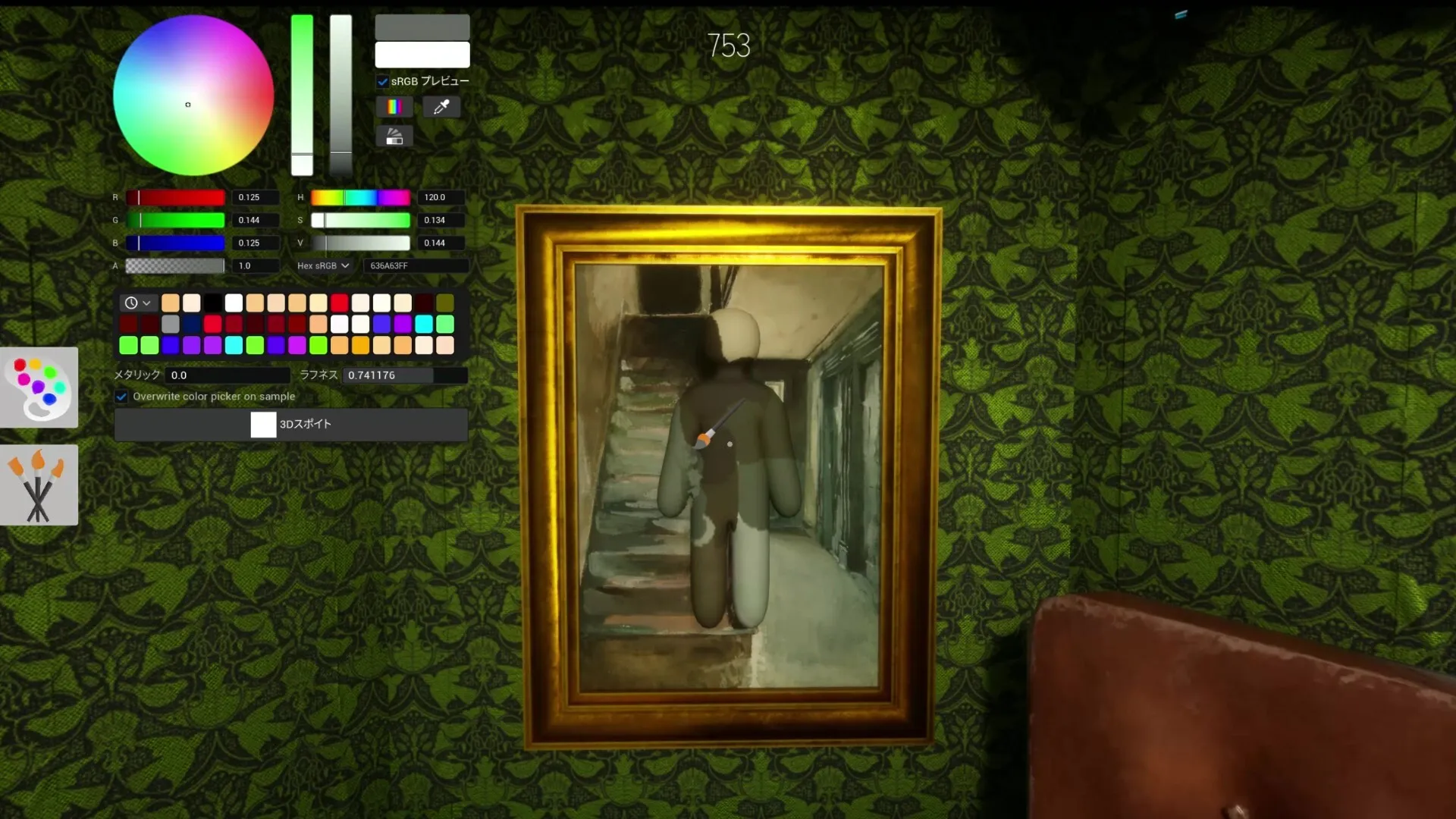
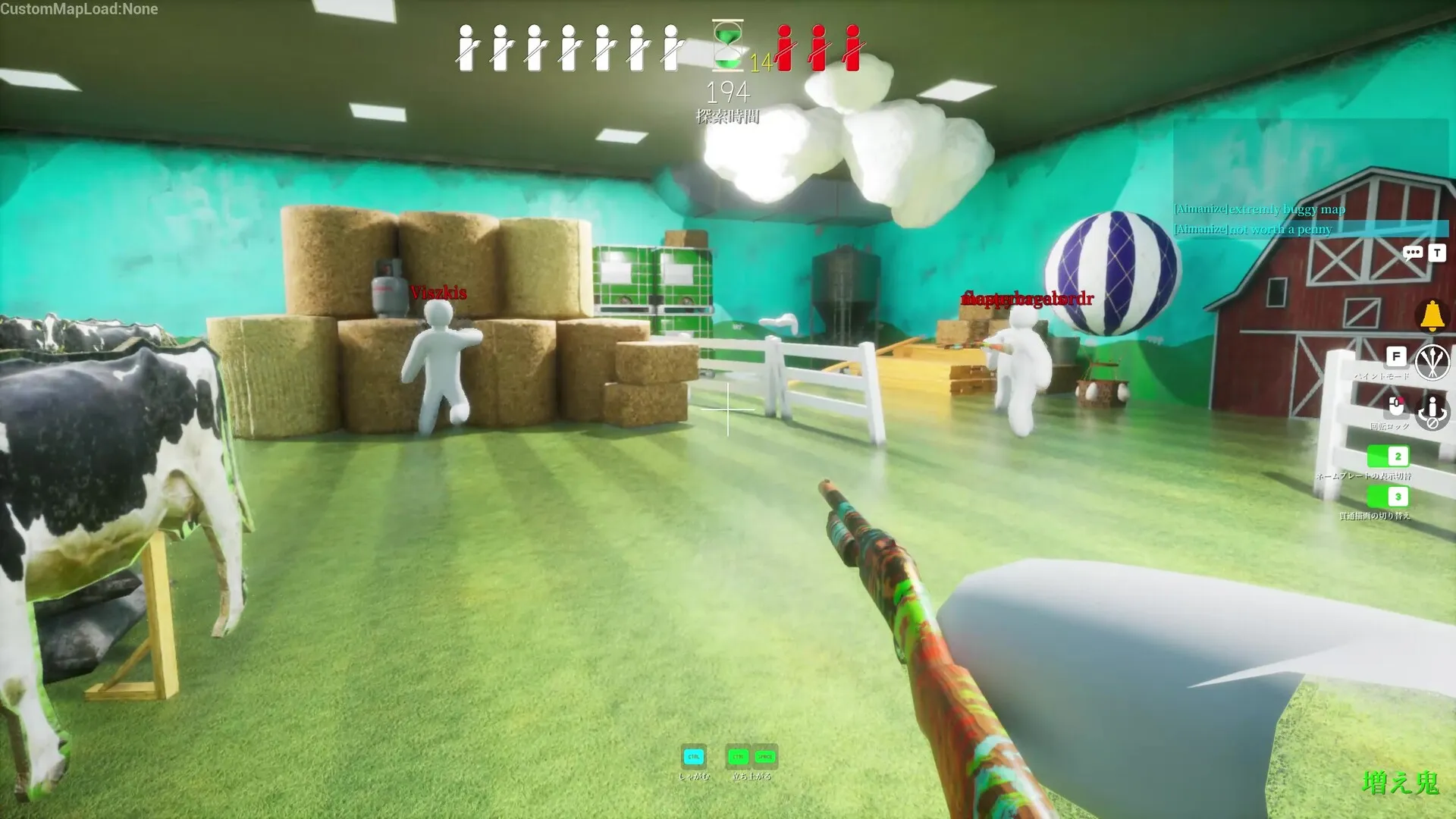
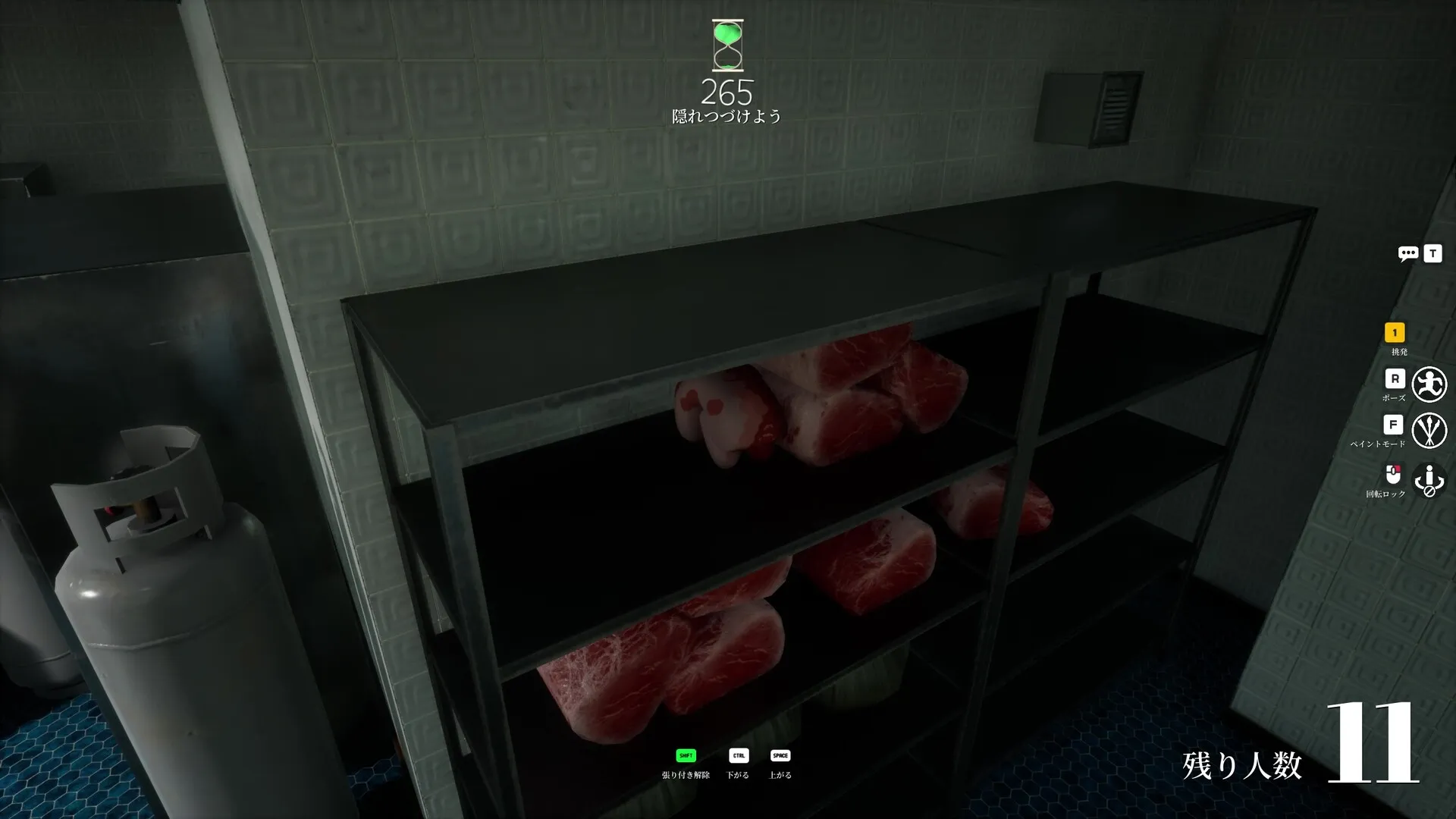

Meccha Chameleon is the kind of arcade score-chaser that looks simple at first glance, then quietly reveals just how sharp its design really is. I went in expecting a quick novelty, something clever for a session or two, and instead found a game built around timing, movement discipline, and a very weird little hero with a lot more personality than most major releases manage in an hour. It is fast, readable, and intentionally chaotic in the best way. If you enjoy games that ask you to learn the rhythm rather than brute-force your way through, this one earns attention fast.
At its core, Meccha Chameleon is about adaptation. You are constantly reacting to shifting terrain, sudden threats, and the pressure of staying alive long enough to push your score higher. The central mechanic gives the whole game its identity, and it is strong enough to carry the experience on its own. What impressed me most is that the game never wastes time explaining itself into the ground. It trusts the player to notice patterns, experiment, and start improving through failure. That confidence matters.
A fast arcade game that respects your reflexes
The first thing I noticed was how clean the action feels. Meccha Chameleon is not cluttered with unnecessary systems. You move, you react, and you learn to manage the game’s tempo. That makes every mistake feel earned, which is exactly what a good arcade design should do. When I say the game is demanding, I do not mean it in the punishing, joyless sense. I mean it in the satisfying sense where success feels like a direct result of reading the screen correctly and staying calm under pressure.
There is also a strong sense of momentum here. The levels pull you forward, the hazards keep changing, and the entire run creates this nice back-and-forth between caution and aggression. That balance is hard to get right, but Meccha Chameleon handles it well. It wants you to take risks, yet it never feels random. The result is a game you can play for ten minutes or two hours without feeling like it has wasted your time.
Style over excess, and that works
Visually, Meccha Chameleon does a lot with a focused presentation. It is colorful without becoming noisy, and the character animation gives everything a lively feel. The game knows it is not trying to be a giant cinematic spectacle. Instead, it leans into speed, clarity, and personality. That is the right call. A game like this lives or dies on readability, and here the screen stays legible even when things get hectic.
Audio also does useful work. The sound design reinforces the pace and gives feedback without overwhelming the action. Music and effects push the sense of forward motion, which matters in a game built around repeat attempts. If you are trying to download something that feels immediately responsive, this one makes a strong case for itself.
Why it keeps pulling you back in
The real hook is the loop. Meccha Chameleon is the sort of game that makes you say, “one more run,” and then suddenly you are testing your limits for another half hour. That happens because the game keeps offering tiny improvements. You might survive longer by tweaking your route, improve your score by taking a bolder line, or simply get better at recognizing enemy patterns. Those little gains add up quickly.
I appreciate that the game does not rely on bloated progression systems to stay interesting. It understands the old-school truth that a strong loop can carry a game much farther than piles of extra systems. That said, there is still enough variety in the challenge to keep things fresh. Different situations force different reactions, and the pressure ramps up in a way that feels deliberate rather than arbitrary.
For players who enjoy challenging arcade titles, this is the good stuff. You play, fail, adjust, and improve. The learning curve is real, but it never feels unfair. Even when the game gets wild, I always felt like I had a chance to do better next run. That feeling is what separates memorable arcade games from forgettable ones.
Where Meccha Chameleon stands out
What makes Meccha Chameleon worth talking about is not just that it is good, but that it has a very specific identity. It does not try to be everything at once. It knows what kind of game it wants to be, and it commits. In an industry full of oversized releases, that focus is refreshing.
There is also a clever sense of tension in how it plays. You are not just surviving; you are adapting constantly, making split-second decisions while watching the environment shift around you. That creates a nice mental strain, the kind that arcade fans actively seek out. When a game can make me lock in that hard, I take notice.
If you are the type of player who likes ranking up personal performance more than chasing narrative outcomes, Meccha Chameleon will probably click. It is built for mastery. It rewards attention. It gives you reasons to come back and refine your approach. That makes it an easy recommendation for anyone who likes to play something skill-based and reactive.
What I liked most
The best part is that the game feels honest. It tells you exactly what kind of experience it is offering, then delivers on that promise without padding. There is a purity to that. I also liked how the challenge curve encouraged me to stay engaged instead of zoning out. Every movement matters, and the design keeps you aware of that at all times.
It is also the kind of game that invites discussion about personal strategy. Players who compare runs, hunting for better routes or higher scores, will naturally start trading ideas, and that adds long-term value. Even looking for cheats or mods feels secondary here, because the base game is already built around replaying it until you get better through practice.
Should you play it?
Yes, especially if you want an arcade experience that feels lean, unusual, and mechanically focused. Meccha Chameleon is not trying to win you over with giant cutscenes or an endless list of features. It wins on feel. The movement is crisp, the challenge is fair, and the design has enough personality to keep the whole thing memorable.
It is not for players who need constant hand-holding or who prefer long-form progression over score-driven mastery. But if your ideal session game is one you can install quickly, learn by doing, and keep coming back to over time, this one is a solid pick. It also has that rare quality where even a short session feels meaningful. That is not easy to pull off.
From a review standpoint, Meccha Chameleon is a strong example of focused arcade design done right. It knows its audience, respects their time, and delivers a loop that is genuinely enjoyable to revisit. For players browsing platforms for something fresh, this is one to keep on the radar.
How to download Meccha Chameleon
Availability & Launch: Meccha Chameleon can be accessed through its official release channels and storefront listings where available. Check the game’s page before you download to confirm pricing and region availability. If a free version or demo exists, it will usually be listed there as well.
Platforms: The game is available on supported platforms as listed by the publisher or store page. If a version is not native to your device, you may need a compatible cloud service or emulator, depending on the platform. Always verify whether your chosen platform supports a direct install.
Install: Purchase or claim the game, open the relevant store or launcher, and follow the prompts to install. Once installed, launch it from your library and adjust settings as needed before you play.
System Requirements: Minimum PC or Mac specs vary by release, but a modern dual-core CPU, 4 GB RAM, and a basic graphics solution are a common starting point. Android requirements depend on the build, though a recent OS version and decent storage space are usually enough.
Cheats / Mods: Cheats and mods are not guaranteed and depend on whether the developer supports them. For competitive or score-based play, most players stick to the unmodified version to keep runs fair.
Unblocked Access: This depends on the network and device restrictions in place. In school or work environments, unblocked access may be limited, especially if the game requires a launcher, store login, or online connection.


