A Tapestry of Valor and Decay in a Plague-Ridden Quest
Shari Lynn Kramer / 05 Jul 2026
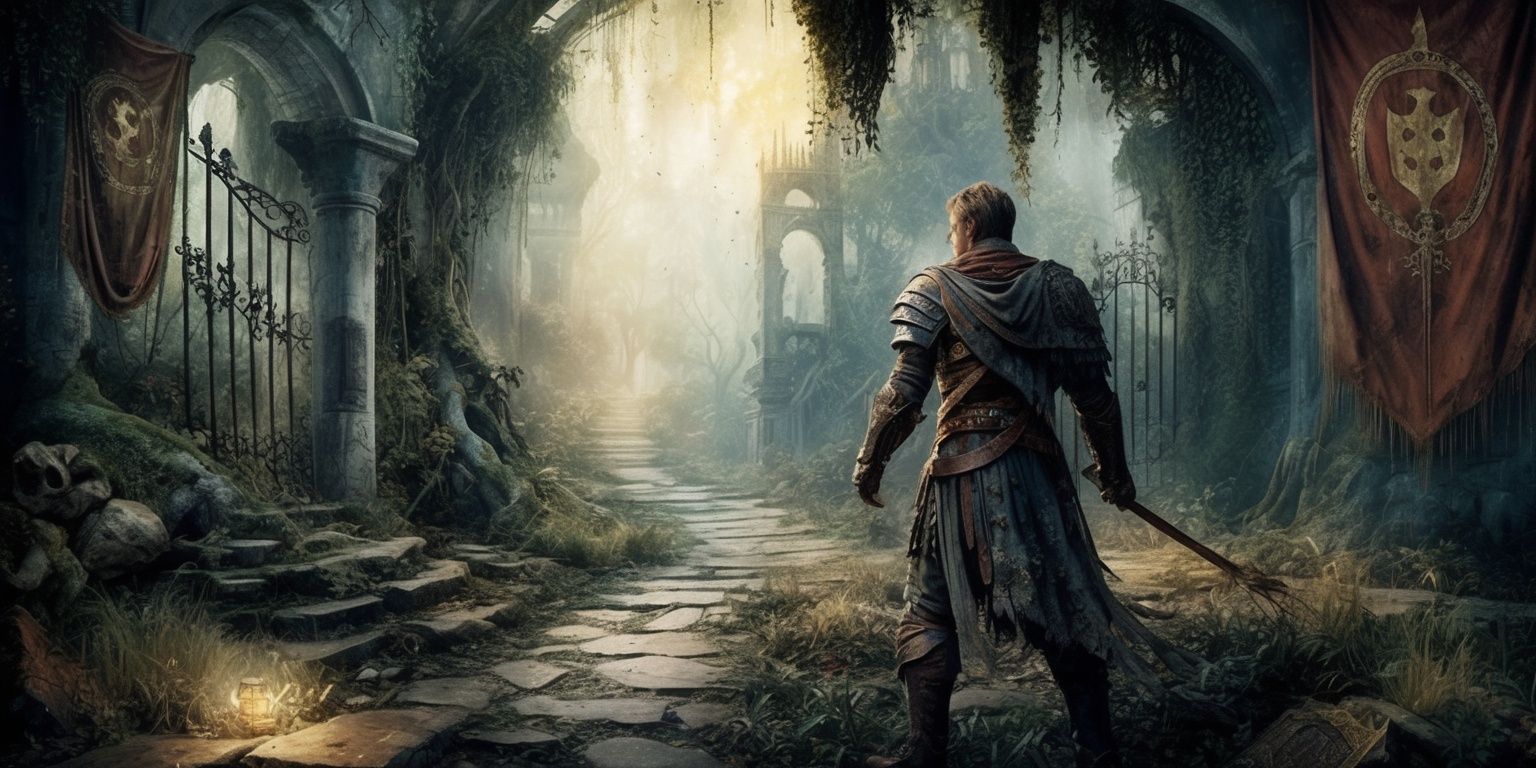
An engaging journey unfolds from the outset in this ambitious period action-adventure game, where sweeping landscapes meet intense narrative conflicts. The experience invites players into a world steeped in historical tragedy and personal conflict. From the very first moments, there is a promise of bold storytelling and immersive combat tactics that strive to evoke the atmosphere of a bygone era. However, as one delves deeper, the harmonious blend of narrative and gameplay begins to fray, leaving players with a series of mechanical puzzles and disjointed storylines that often fail to resonate with their initial grandeur. The game endeavors to subvert classic tropes while remaining tethered to some well-worn motifs, creating a tapestry of visual beauty and mechanical challenges that merits further exploration.
Visual Craftsmanship and Cinematic Influences
The artistic direction of this game is marked by breathtaking landscapes and meticulous shot composition reminiscent of high-caliber cinematic productions. Every frame appears to be carefully curated to evoke an immersive sense of dread and wonder comparable to that of prestigious film studios. The sweeping vistas of mountains and forests combine with carefully framed character close-ups that seek to establish deep emotional connections. Despite such lofty ambitions, the underlying technical execution struggles to consistently deliver on these promises. Animation glitches occasionally shatter the illusion of a polished, cinematic experience, with certain character facial expressions twisting unnaturally during moments of high tension. The overall visual tone, however, continues to serve as Consider rewriting it as: "an evocative indicator of what might have transformed into a" striking convergence of film and interactive storytelling.
Narrative Threads and Character Dynamics
The narrative weaves together elements of desperation, personal loss, and moral duty with an attempt to push boundaries through unconventional character choices. At its core, the story follows the determined journey of a seasoned knight on a quest to retrieve a captive figure from the clutches of adversity during a turbulent plague-era setting. What sets the protagonist apart is her unexpected subversion of gender roles, which initially presents her in a light that distorts traditional expectations. Despite this intriguing twist, the narrative flounders by failing to fully explore the implications of her identity and the hinted feelings between the leads. Instead of delving deeper into complex emotional relationships or questioning societal norms, the story defaults to a familiar rescue plot that feels both hurried and incomplete. The result is a bittersweet blend of missed opportunities and fleeting moments of genuine drama.
Combat Mechanics and Dynamic Interactions
Combat within the game is structured around a series of rhythmic, linear encounters that often feel repetitive despite the apparent complexity of the input combinations. The basic setup involves alternating between one-handed and two-handed stances, resulting in standardized combo sequences aimed at wearing down enemy defenses. Players are encouraged to time heavy attacks that charge gradually, creating moments where the enemy's vulnerability is exploited. However, these interactions are marred by a lack of substantial innovation. The attacks, whether swift or telegraphed, often fall into predictable patterns, leaving little room for strategic diversity. Although the game introduces elements such as stagger gauges and countering mechanics, these features are cushioned within a system that ultimately rewards persistent button mashing rather than creative tactical thinking, thereby diluting the potential excitement of each duel.
World Exploration and Environmental Design
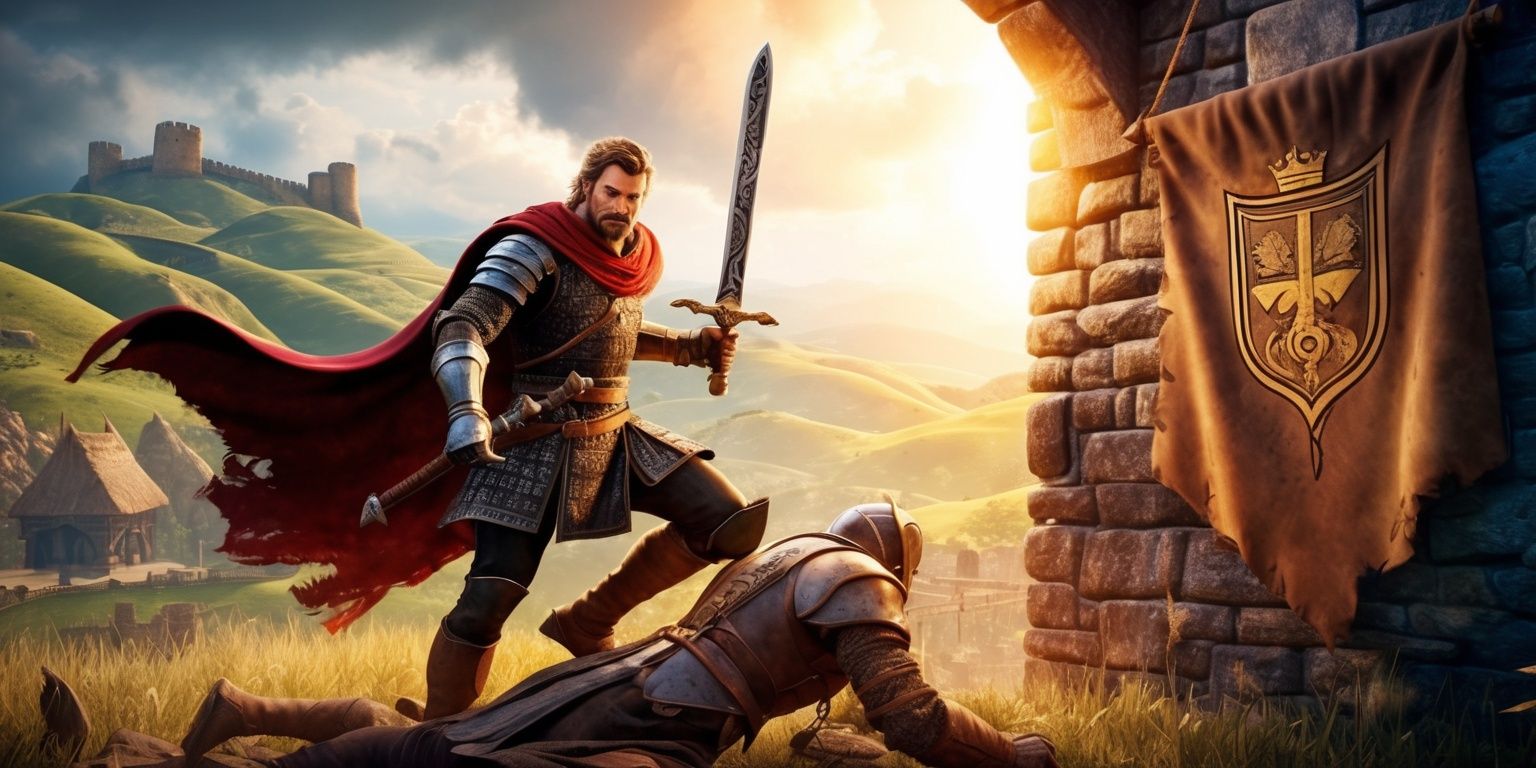
The game invites players to traverse meticulously crafted environments that offer both visual splendor and hidden intricacies. Expansive outdoor settings, such as volcanic mountainous backdrops and lush, emerald woodlands, evoke the grandeur of a bygone era while echoing the plights of lives caught in a historical calamity. Amidst these wide vistas lie subtle design elements like secret nooks and collectible caches that hint at a deeper world lore waiting to be uncovered. However, the singular, linear path through each chapter often restricts the exploration to a narrow trajectory. Markers are sparse, which sometimes leaves intrepid explorers uncertain if they have fully scoured the environment for hidden treasures or lore. The limited interactivity, combined with erratic collectible triggers, transforms the exploration from a potential treasure hunt into a careful, trial-and-error process that diminishes the gravity of the discovery.
Mission Structures and Level Navigation
Each chapter commences with an inviting yet unambitious introductory segment that swiftly transitions into a uniform pattern of mission-based navigation. The design heavily leans on a straightforward directive: traverse from a distant point of intrigue to a predetermined objective while contending with sporadic enemy encounters. Although this formula is nearly identical in every segment, there is a brief spark of engagement in the form of environmental storytelling and rushed narrative interludes. Unfortunately, the repetition of mission objectives quickly erodes this spark. The lack of variant tasks or meaningful side quests leaves the journey feeling overly mechanical. Subtle clues and a handful of hidden treasures only marginally mitigate the disappointment, as the game does little to break away from its established ritual of routine movement, thereby stifling the potential for dynamic, exploratory gameplay.
Technical Challenges and Animation Glitches
The game strives to deliver a visually engaging experience, yet its technical performance sometimes disrupts the immersive quality it sets out to achieve. Throughout the gameplay, players encounter persistent glitches, particularly within character animations during emotionally charged encounters. The facial expressions, especially during the more sinister dialogues, can become exaggerated in an almost cartoonish manner, which detracts from the intended dramatic severity of the scenes. These anomalies range from misshapen eyes to lips that contort awkwardly, momentarily pulling the player out of the story's emotional current. Likewise, near the manipulating of environmental transitions like crouching or descending ledges, control responsiveness can be inconsistent, engendering moments of undue frustration. Such issues, though seemingly minor, accumulate over time and mar an otherwise ambitious attempt to blend heritage aesthetics with modern gaming technology.
Acting and Character Portrayal
The voice acting and character portrayal are among the game's notable strengths, showcasing performances that imbue even the most fleeting interactions with palpable emotion. Veteran actors lend their voices and subtle expressions to characters who, despite limited screen time, convey layers of sorrow, determination, and vulnerability. The central figures, driven by personal and historical narratives, are depicted with an authenticity that suggests a thoughtful departure from commonplace tropes. Even minor characters, when afforded a moment in the spotlight, deliver dialogue with a sense of urgency and conviction that enhances the overall tone. This acting prowess is amplified by careful shot composition where lighting and camera angles emphasize character expressions and delicate emotional shifts. While the narrative may falter in scope, the acting performances manage to sustain immersion and elevate moments that could have otherwise succumbed to monotony.
Interactive Play and Environmental Challenges
Beyond the scripted story beats, interaction with the game’s environment serves as a cornerstone in defining the complete experience. Players find themselves engaged in a routine exploration where movement through grim landscapes is punctuated by abruptly initiated combat sequences. This blend of calm traversal and sudden action mirrors the unpredictability of the game’s setting—a world ravaged by historical calamities and societal collapse. However, the forced linearity of each chapter often transforms what could have been an engaging exploration into a series of tedious excursions. The game rewards persistence through repetitive patterns, leaving little room for improvisation or the discovery of alternate routes. In these moments, the adventurer is left wondering if their efforts to navigate the labyrinthine world truly unlock the depth hinted at by its visual and narrative cues, or if they are merely part of the established routine.
Combat Strategy and The Rhythm of Battle
During combat, players are immersed in a rhythmic dance of attack and counterattack that is designed to test both precision and timing. Employing a mix of light and heavy strikes, there is a distinct balance that aims to challenge the player's ability to judge enemy patterns and seize brief windows of opportunity. The combat system introduces a stagger mechanic that allows for the interruption of enemy momentum, granting the knight a momentary advantage. Nevertheless, these sequences often feel unvaried due to the simplicity of the swipe combinations and the predictable enemy behavior. While skill upgrades—such as enhancing combo length or refining parry windows—offer a glimpse of strategic depth, they ultimately fail to transform the experience into one that rewards tactical experimentation over mere repetition. The combat phase echoes with a relentless rhythm that, while satisfying in its own right, does little to challenge the mind of an experienced tactician.
Personalization Through Equipment and Trinkets
The system for personalizing combat effectiveness through equipment upgrades and collectible trinkets introduces an element of strategic customization to the game. Hidden throughout the expansive world, these items yield minor yet tangible benefits, such as incremental health regeneration when a flawless dodge is executed or passive stat enhancements that subtly alter the impact of specific attack skills. The diversity in weapon parts, ranging from the grip to the pommel, offers players the potential to tailor their character's combat style to a limited extent. However, this intricate customization often feels like it is compensating for the underlying repetitiveness of enemy encounters rather than enriching an already robust combat system. The interplay between collected relics and combat execution provides a modest layer of depth that, while promising in theory, is underutilized in practice, leaving well-equipped players to contend with the same linear challenges faced by their less-adorned counterparts.
Atmosphere and Thematic Resonance
The game’s atmosphere profoundly encapsulates a sense of historical desolation mixed with unyielding valor. Set in an unsettling era marked by a devastating plague and societal upheaval, the visual and auditory design coalesces to evoke a realm hanging on the brink of devastation. The muted color palette of crumbling villages and stark, wind-swept landscapes contributes significantly to the themes of decay and loss. Against this backdrop, the character-driven narrative is intended to offer moments of warmth and heroism. However, the intermittent inconsistencies—whether technical glitches or repetitive enemy patterns—frequently detract from the deep emotional engagement the setting strives to instill. Despite this, the atmospheric execution remains one of the game’s most compelling features, inviting players to plunge into an environment steeped in the echoes of bygone eras and myth interweave in quiet equally poignant moments.