Chronicles of Timeless Decay and Resurrection: The Enigmatic Odyssey of Code Vein 2
Shari Lynn Kramer / 05 Feb 2026
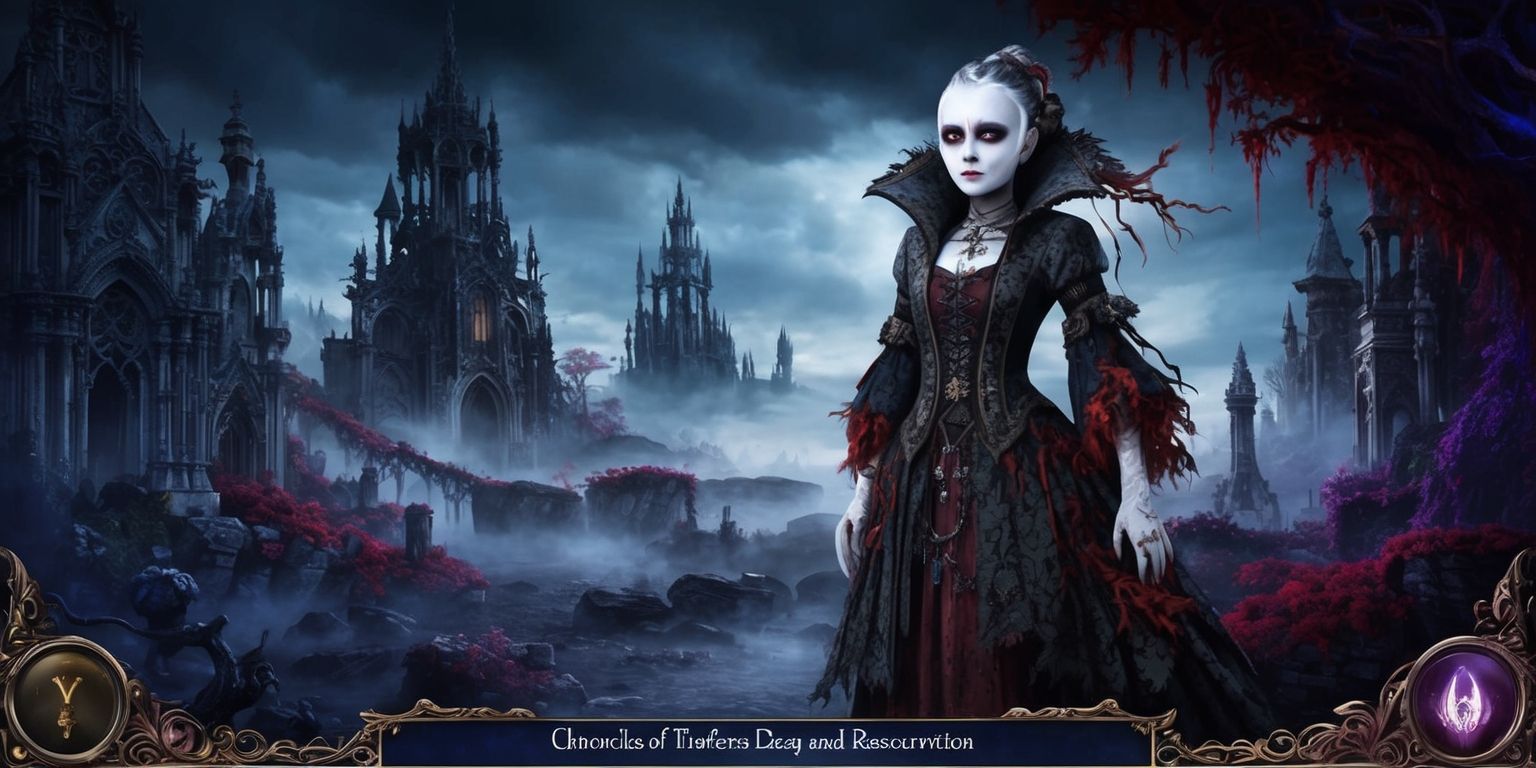
The world of Code Vein 2 invites players into a realm where time-warping vampires and relentless challenges intertwine. From its intricate combat mechanics to its visually stark, even oppressive environments, the game attempts to blend elements of renowned souls-like gameplay with a narrative filled with time travel and enigmatic heroes. Yet, the experience remains mixed, featuring both moments of inventive design and shortcomings that deepen as one progresses further into its world. Throughout these passages, an exploration of the game’s multifaceted elements—from its dynamic combat system and companion mechanics to its environmental storytelling and challenging dungeons—unfolds with attention to detail and critical insight.
An Uncommon Blend of Vampirism and Time Travel
The narrative of Code Vein 2 centers on enigmatic revenants, beings who exist beyond the normal flow of time and share attributes with classic vampires yet defy traditional expectations. In this iteration, players navigate a timeline that spans disparate eras, a concept that promises depth and variety but At times, it buckles under the immense strain imposed by its very nature complexity. Engaging with legendary heroes from a century past unlocks modern challenges, yet the time travel mechanic appears underutilized as most environments remain curiously alike. This design choice leaves players often questioning which era they inhabit at any moment, reducing Consider using: "the repercussions of what might have evolved into a" This version maintains the original meaning while ensuring a unique phrasing unique journey through time. Despite the lofty ambitions behind merging ancient legends with modern twists, the game’s narrative structure occasionally falters in delivering a seamless experience.
Soulful Combat Dynamics and Refined Mechanics
Central to the game's design is a combat system reminiscent of popular souls-like encounters, emphasizing precise dodges, calculated strikes, and a unique risk-reward resurrection feature. Each encounter demands a careful balance between aggression and caution, as every miss can result in the temporary loss of crucial leveling resources. The integration of multiple special attacks—ranging from spinning weapon barrages to synchronized strikes—introduces a vibrant layer to melee combat. Innovatively, the system compensates for mistakes by granting the player the opportunity to recover through a companion’s timely intervention. This combat philosophy encourages a constant state of tension, where every maneuver matters. However, while the framework remains robust, some players might find the repetitiveness of enemy patterns dampening the thrill of these encounters.
The Mechanic of Resurrection and Strategic Companions
The reimagined resurrection mechanic in Code Vein 2 marks one of its more intriguing facets. Rather than facing an outright game over after a misstep, players benefit from an invincible companion who steps in to revive their character after defeat. This twist not only adds a safety net but also fosters an element of strategy—revivals come with diminishing returns as health and revival time adjust upon subsequent defeats. Such a system rewards players who master the art of timing and movement, further deepening the atmosphere of urgency during boss encounters. The balance achieved here is particularly commendable; the companion is helpful without overshadowing the player's direct involvement in combat. Nonetheless, some may find that even with this feature, the overall pattern of repeated challenges can sometimes dilute the intended intensity of each confrontation.
Navigating the Fractured and Overlooked World
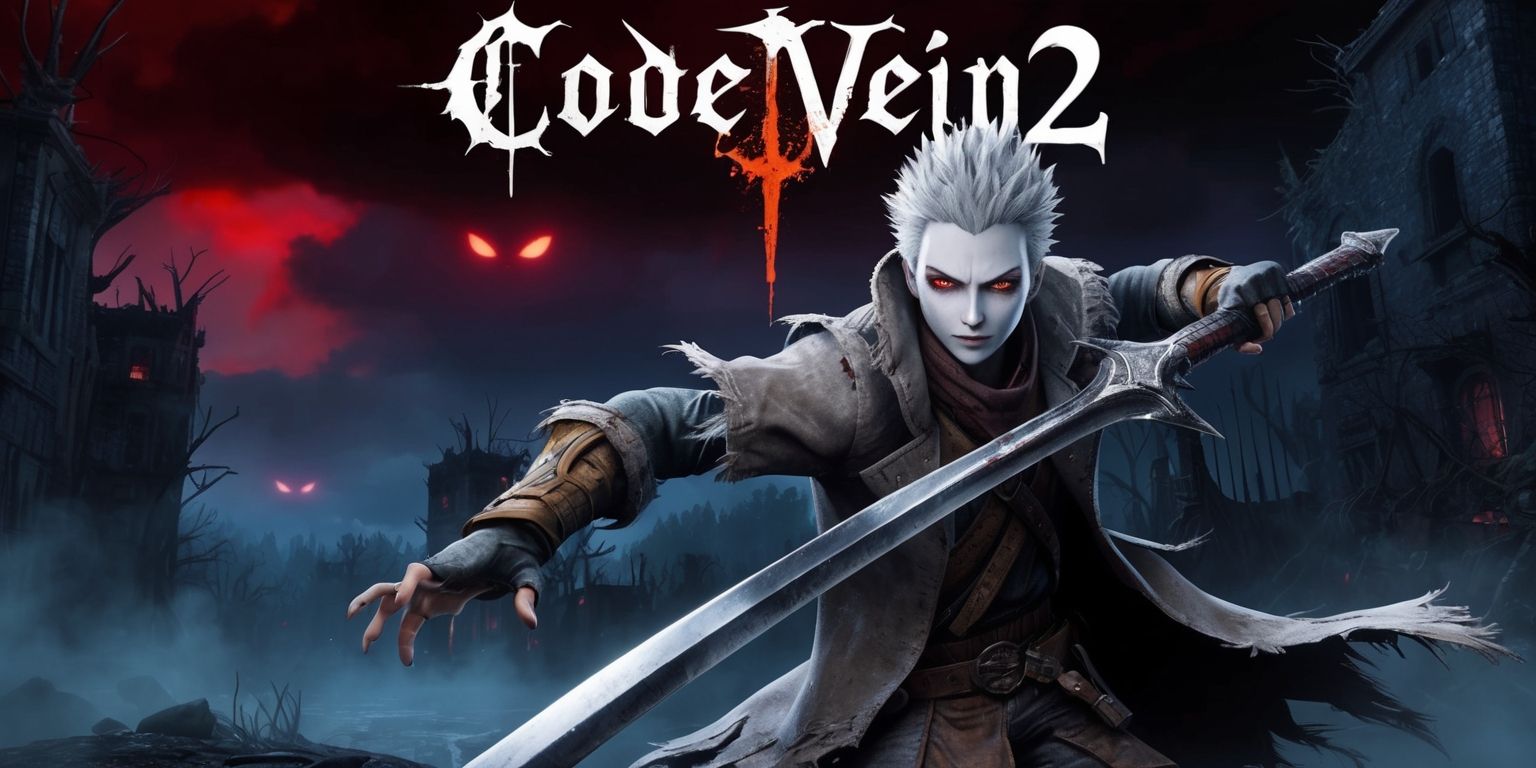
The game’s setting is a sprawling, open world that alternates between parallel time periods, meant to provide players with an entirely new way of looking at the familiar locales. Yet, players often notice minimal differentiation between the eras, with architecture and enemy placements remaining largely consistent. The aesthetic design, which in the original Code Vein toyed with striking, anime-inspired visuals, now feels somewhat lifeless and uninspired when compared to its predecessor. Urban decay coupled with mundane settings like decommissioned facilities and mundane infrastructure replace what could have been a tapestry of visual grandeur. Despite these shortcomings, the map’s design retains a playful element as players solve its opaque layout puzzles to discover areas laden with necessary upgrades and rewards. This tension between potential and execution remains a defining characteristic of the world’s design.
Innovations in Weaponry and Special Abilities
Weapon customization stands as one of the more original elements in Code Vein 2, offering an assortment of special attacks that can alter the tide of battle. Each weapon can be imbued with techniques that transform it into a multifaceted tool for defeating adversaries. Some abilities create mesmerizing displays, such as a spinning detonation of blades that radiate outward to interrupt enemy advances, while others involve multiple blades orbiting foes in vigilant synchronization. This level of detail not only injects variety into combat but also requires players to make strategic choices concerning their armory. The integration of these diverse attacks encourages experimentation, turning each encounter into a mini-strategy lesson. Even if the game occasionally suffers from redundancy in enemy designs, the dynamic weapon system compensates by keeping combat scenarios as engaging as they are varied.
Immersive Atmospheres and Visual Realities
Code Vein 2 endeavors to transport its audience into a tangible yet surreal environment where decay and desolation reign. The desaturated urban landscapes mirror the internal struggle of immortal beings caught between centuries. While some areas evoke nostalgia by recalling post-apocalyptic imagery fused with hints of supernatural energy, others feel starkly plain with their robotic attention to detail. Issues such as graphical pop-in, particularly noticeable on high-performance consoles like the PS5, detract from an otherwise atmospheric experience. The interplay between light and shadow in certain scenes adds dramatic tension, although inconsistency in environmental design leaves much to be desired. Despite these visual shortcomings, the overall ambiance still manages to beckon players into an immersive, if uneven, journey through ruined metropolises and forgotten relics of a better time.
Diverse Tactical Blood Harvesting and Resource Management
One of the more innovative aspects of Code Vein 2 lies in its resource management during battles, specifically through a specialized attack that extracts life force from defeated foes. This mechanism encourages a relentless offensive style, compelling players to balance aggressive confrontations with careful resource conservation. By opting for a series of precision strikes, the player gradually siphons vitality from adversaries, fueling subsequent special abilities and strategic maneuvers. The cumulative nature of these attacks means that timing and order of operations can often decide the outcome of a battle. Although this method heightens the adrenaline of resource acquisition, it also introduces a punishing layer of complexity against fast-moving adversaries. In environments where positioning and timing are everything, mastering this feature can reward players with an edge that might ultimately prove crucial in the later, more challenging encounters.
Relationships and Team Dynamics in Isolation
Code Vein 2 explores the notion of isolation by framing the player's relationship with an unwavering NPC companion. Tasked with supporting and reviving the protagonist, this companion not only reinforces gameplay mechanics but also serves as an anchor in a world that feels devoid of warmth or variety. Despite their invincibility, the companion’s presence is carefully calibrated to prevent them from overshadowing the player’s own abilities. This dynamic introduces an interesting strategic consideration—balancing solitary heroics with the comfort of backup. The design choices behind this interplay highlight a commitment to making each battle a partnership of necessity rather than mere support. Ultimately, this nuanced relationship enriches the overall experience by rewarding tactical collaboration, even if the repetitive nature of combat scenarios occasionally undercuts the potential for more emotionally charged interactions.
Challenges within Economical and Repetitive Dungeon Design
The dungeon segments of Code Vein 2 present a conundrum that straddles both creativity and monotony. Set in environments that mimic the mundane realities of water treatment plants and substations, these areas draw heavily on real-world inspirations without incorporating enough fantastical elements to transform them into truly memorable challenges. Many of these dungeons feel strikingly similar, both in layout and enemy placement, resulting in an experience where the journey through each corridor becomes a test of endurance rather than ingenuity. While the puzzles embedded in the maze-like structures offer minor intrigue, the overall design tends to prioritize a sense of tedium over that of discovery. Notably, victims of this design philosophy may find themselves yearning for the intricate, visually stimulating dungeons of earlier installments—a missed opportunity to fully utilize the game’s unique time-travel narrative in spatial form.
Non-linear Progression and the Bounty of Supplemental Missions
Code Vein 2's sprawling, free-roaming environment is further emphasized by a plethora of side content and supplementary challenges. These additional missions, while offering fresh encounters and alternative storylines, often appear more as filler than as integrated components of the overarching narrative. Players are encouraged to dig deep into unexplored facets of the game, uncovering hidden bosses, secret realms, and elusive plot developments by venturing off the beaten path. This freedom to choose comes with a double-edged sword: it allows for a variety of experiences, yet the repetitiveness of similar enemy encounters can undercut the nature of exploration. The design here appears to be a balancing act, trying to captivate the player’s interest without overwhelming them with too many identical challenges, though sometimes it tips too far towards diluted engagement.